Arabic is the 4th most spoken language on the internet, with 450+ million native speakers across 22 countries. Yet it remains dramatically under-served in SEO strategy — most agencies apply Western frameworks to Arabic markets and wonder why results are poor. Arabic SEO has unique technical, linguistic, and cultural dimensions that require a specialized approach.
Technical Foundations: RTL, Unicode, and Hreflang

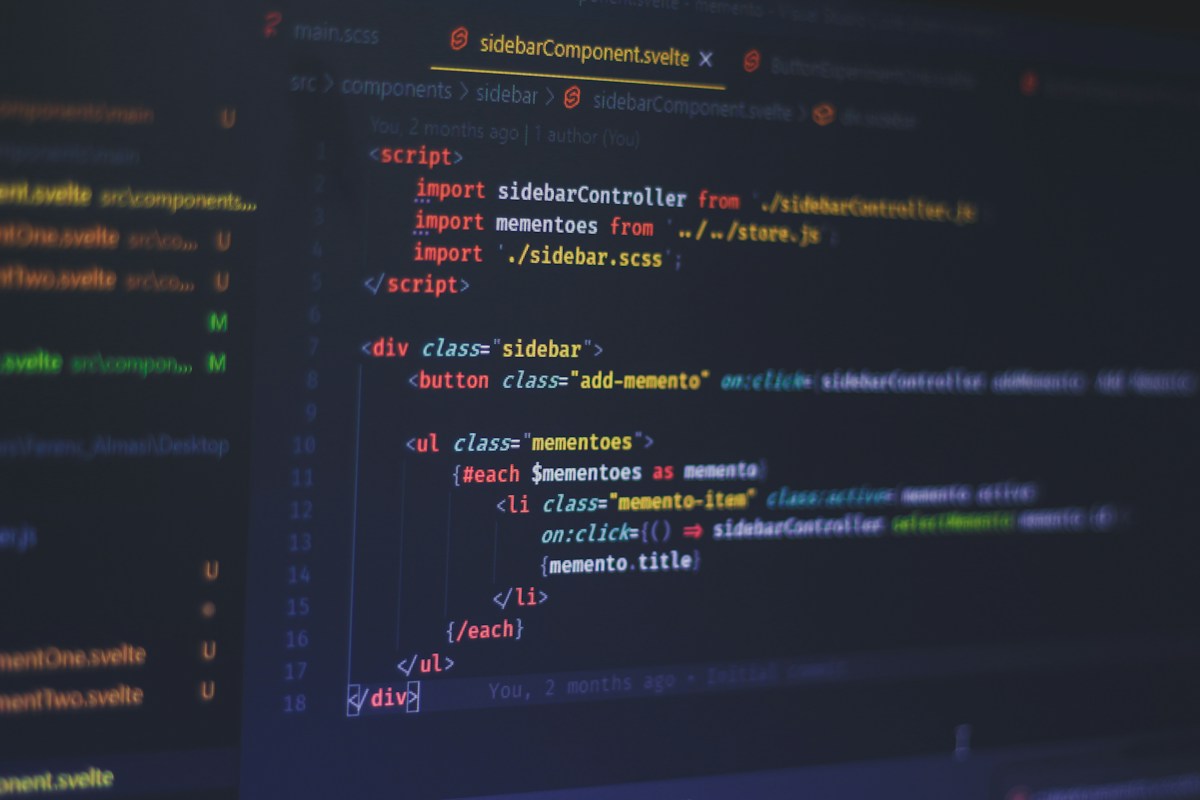
Getting the technical basics right for Arabic is non-negotiable. The `dir='rtl'` attribute must be set at the HTML level, not just CSS — Google reads the HTML. Unicode Arabic text must be properly encoded (UTF-8 throughout, no encoding issues in meta tags or structured data). For bilingual sites, proper hreflang implementation pointing ar-SA vs ar-JO vs ar to the correct regional versions prevents duplicate content issues and ensures the right version ranks in each country.
- Use lang='ar' on the HTML element, lang='ar-SA' or 'ar-JO' for country-specific pages
- Canonical tags are critical on bilingual sites to prevent self-cannibalization
- Arabic URLs vs Latin URLs: both work, but Arabic URLs can perform better in local search
- Structured data (schema.org) must be in the correct language for the page
Keyword Research: The Dialect Challenge
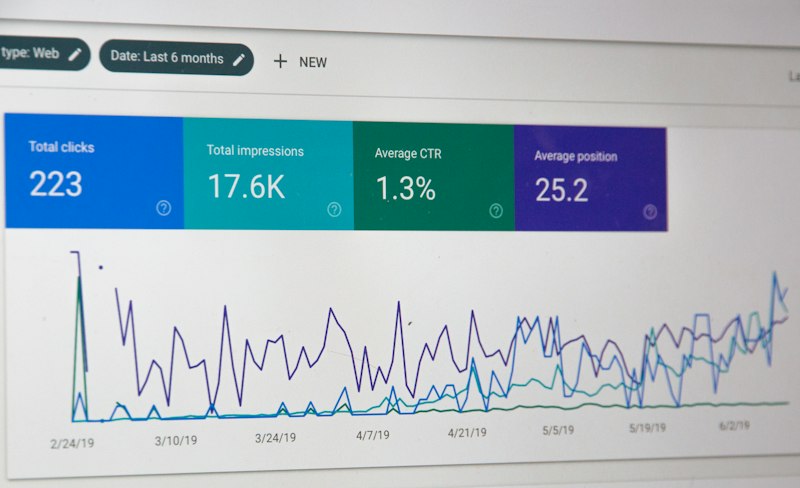
This is where most SEOs get Arabic wrong. Arabic has a sharp divide between Modern Standard Arabic (MSA / Fusha) and regional dialects. A Saudi searching for a restaurant uses different words than an Egyptian or Jordanian searching for the same thing. Research tools like Semrush and Ahrefs index MSA keywords well but capture dialect search volume poorly. The solution: supplement with Google Search Console data, local keyword research with native speakers, and analysis of your actual users' query data.
Content Strategy for Arabic Markets
Simply translating English content into Arabic is a missed opportunity. Arabic internet users search for different questions, consume content differently (longer-form performs well, especially on mobile), and share on different platforms (Twitter/X, Snapchat, and TikTok are dominant in MENA vs Instagram/Facebook). Original Arabic content research — what are native speakers actually asking? — consistently outperforms translated content.
- Long-form Arabic content (2000+ words) ranks significantly better than short posts
- Arabic voice search is growing rapidly — optimize for conversational queries
- Local landing pages per country (JO, SA, AE, EG) dramatically improve local pack rankings
- Google Business Profile in Arabic with Arabic reviews is essential for local SEO
Link Building in the Arabic Web
The Arabic web has a smaller but highly valuable backlink ecosystem. Quality Arabic-language domains (major news sites, government portals, universities) carry significant authority. Tactics that work: Arabic press releases distributed to regional news wires, expert commentary for Arabic journalists, partnerships with local business directories (Dalil, Yelp MENA equivalent), and content that Arabic journalists naturally want to cite (original research, statistics, expert guides).
Arabic SEO rewards those who treat it as a distinct discipline rather than translated English SEO. The market is less competitive than English, meaning well-optimized Arabic content can reach page 1 faster. The businesses investing now in proper Arabic SEO infrastructure will have a multi-year head start on competitors who haven't yet taken it seriously.

Reem Al-Qahtani
Marketing Director — Fixed Arrow
Digital strategy & technology expert helping businesses grow through smart solutions.