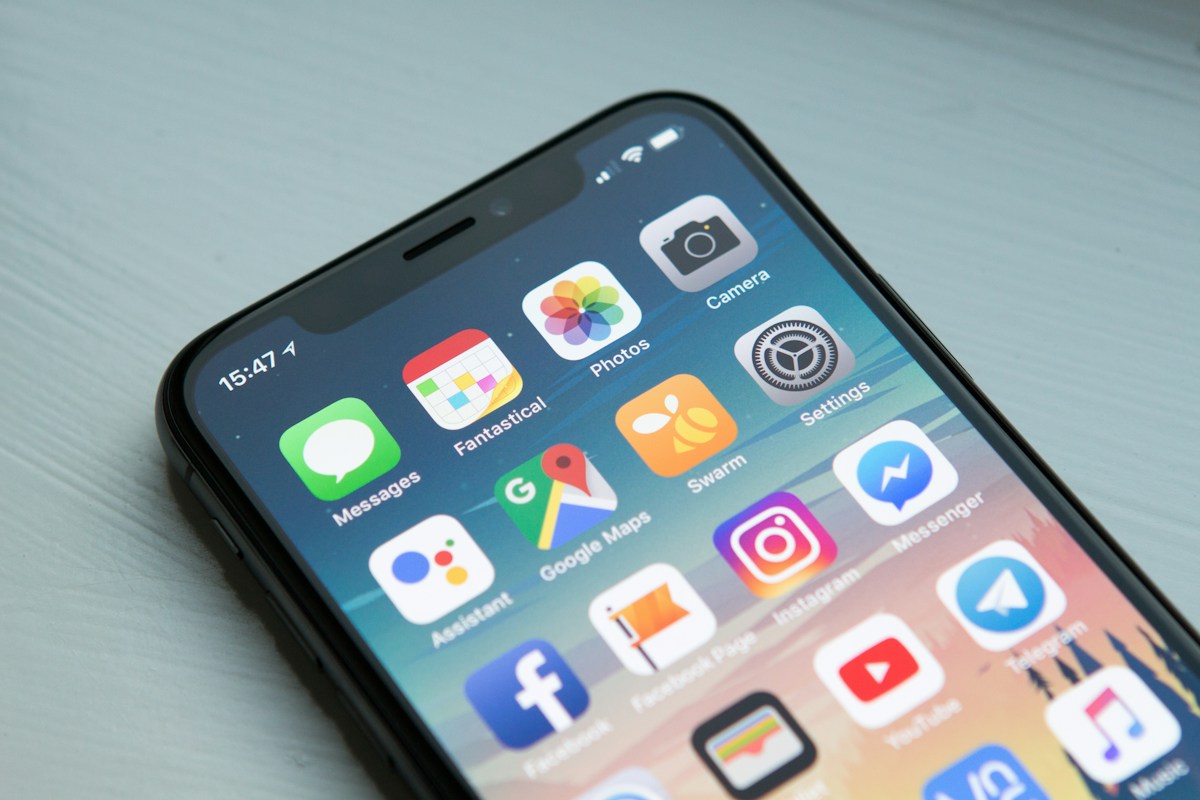
The average smartphone user has 80 apps installed but only actively uses 9 per day. The graveyard of apps deleted within 30 days of download is vast. What makes the 9 daily apps sticky while the rest get swiped away? After building 40+ mobile products, we've identified the patterns that separate apps users love from apps they abandon.
The 3-Second Rule: First Impressions are Everything
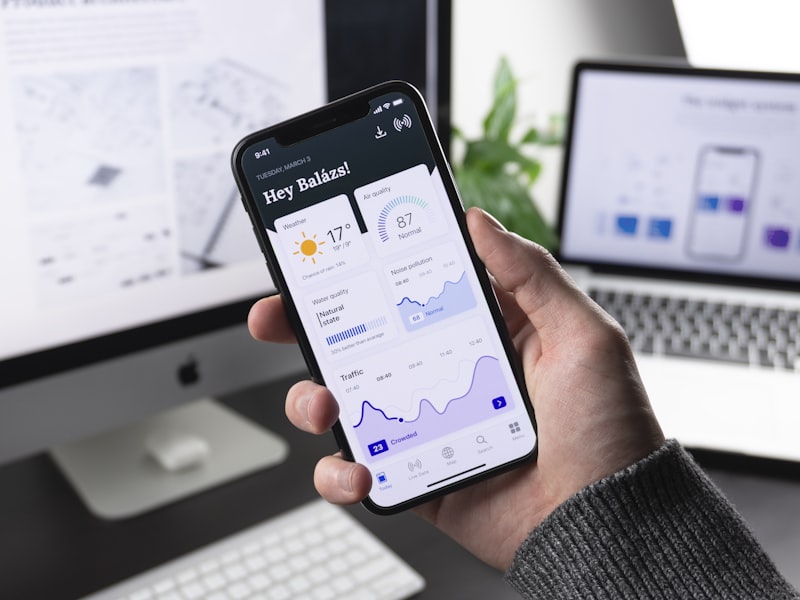
Users form an opinion of your app within 3 seconds of opening it. If your onboarding is a 12-screen tutorial, you've already lost 40% of users. The best apps follow a 'progressive disclosure' model: show the core value immediately, ask for permissions only when contextually relevant, and delay account creation until the user has experienced the core loop.
- Reduce time-to-value: users should see the core feature within 30 seconds
- Single sign-on with Apple/Google massively improves conversion
- Onboarding animations that explain value, not just features
- Skip the splash screen — it adds latency with zero benefit
Performance Is a Feature, Not a Nice-to-Have
A 100ms delay in UI response time reduces conversions by 7%. On mobile, this is amplified — users are often on slower connections, in contexts where patience is low (commuting, between meetings). Your app must render the first meaningful frame in under 1.5 seconds on a mid-range Android device over a 4G connection.
The technical levers: lazy load heavy screens, prefetch data for likely next actions, use skeleton screens instead of spinners, and never block the main thread for more than 16ms.
Retention: The Metric That Actually Matters

Download numbers are vanity; Day 30 retention is the metric investors and product teams should live and die by. Industry average Day 30 retention is 6%. Top-quartile apps achieve 25%+. The difference almost always comes down to habit formation: does your app slot into an existing daily routine (morning news, gym tracking, messaging) or does it require the user to form a new habit?
- Push notifications used strategically increase D30 retention by up to 20%
- In-app messaging at the right moment — not just blasted to all users
- Streaks, progress indicators, and milestone celebrations build habit loops
- Personalization based on usage patterns makes the app feel 'yours'
The Technical Foundation: Cross-Platform Done Right
In 2026, the React Native vs Flutter debate has largely settled for most use cases: both can deliver native-feeling performance if implemented correctly. The real decision factor is your team's existing skills and the native APIs you need to access. What matters more than framework choice is architecture: use a proper state management strategy, never put business logic in UI components, and invest in a strong navigation architecture from day one — migrations are painful.
Successful mobile apps share a common formula: they deliver core value immediately, perform flawlessly on low-end devices, and slot into users' daily routines. The technical platform matters far less than the product decisions. Start with your user's pain point, obsess over the first 60 seconds of experience, and measure retention religiously.

Tariq Nasser
Lead Developer — Fixed Arrow
Digital strategy & technology expert helping businesses grow through smart solutions.